


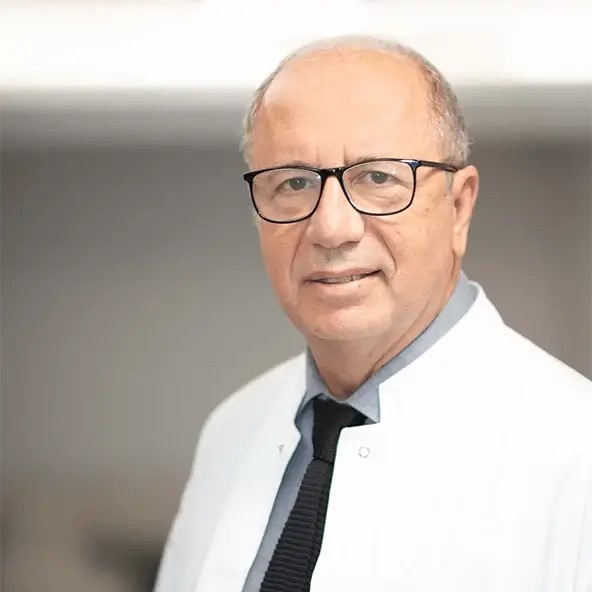
Prof. Sait ADA
Orthopedics, Traumatology and Hand Surgery Specialist
Prof. Sait ADA, one of the founders of EMOT Hospital,...
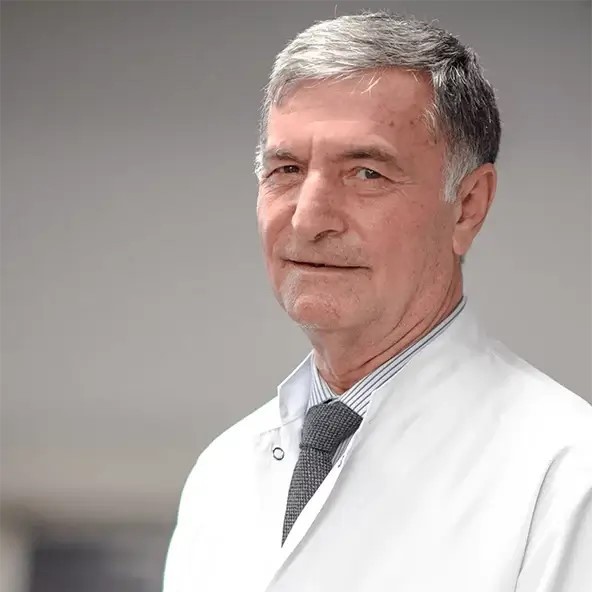
Assoc. Prof. İbrahim KAPLAN
Orthopedics, Traumatology and Hand Surgery Specialist
Assoc. Prof. Dr. İbrahim KAPLAN was born in Denizli in...
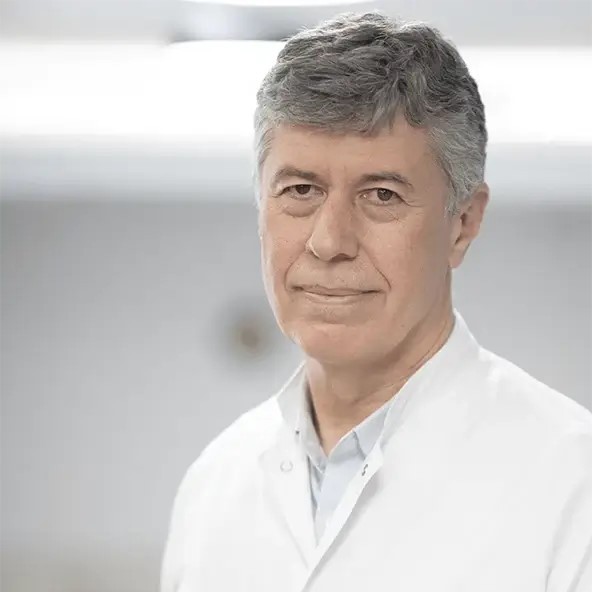
Assoc. Prof. Yalçın ADEMOĞLU
Orthopedics, Traumatology and Hand Surgery Specialist
Assoc. Prof. Dr. Yalçın ADEMOĞLU was born in Manisa in...
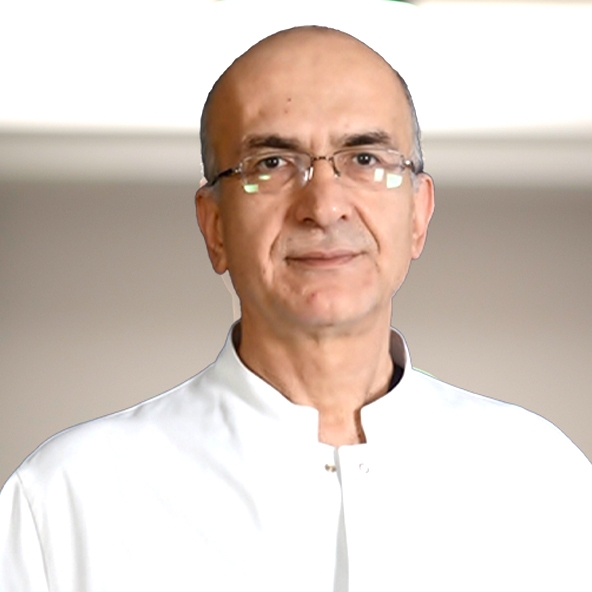
Fuat ÖZERKAN MD.
Orthopedics, Traumatology and Hand Surgery Specialist
Fuat ÖZERKAN MD. was born in Izmir in 1956. ÖZERKAN,...
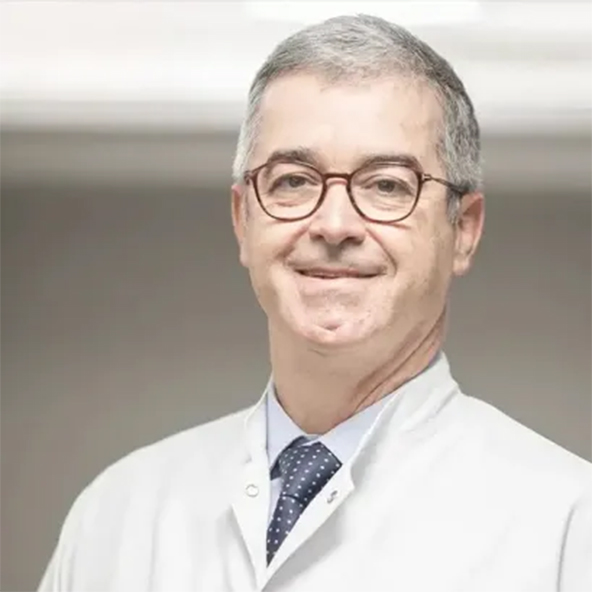
Prof. Murat KAYALAR
Orthopedics, Traumatology and Hand Surgery Specialist
Prof. Murat KAYALAR was born in Amasya in 1968. Prof....
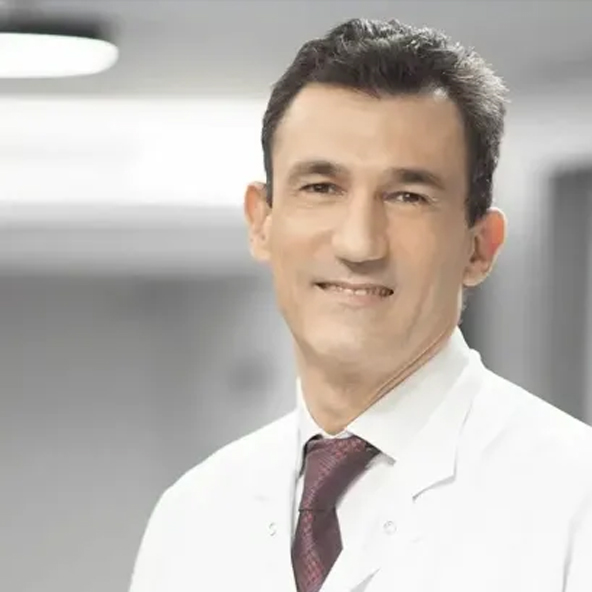
Prof. Tulgar TOROS
Orthopedics, Traumatology and Hand Surgery Specialist
Prof. Tulgar TOROS was born in 1969 in Izmir. TOROS...
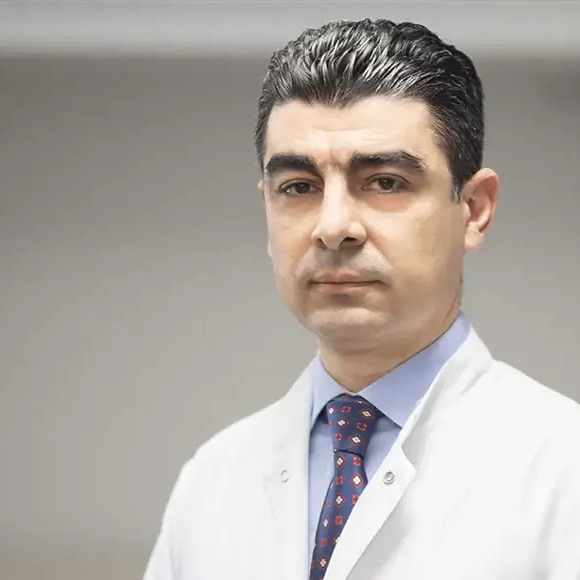
Assoc. Prof. Tahir Sadık SÜGÜN
Orthopedics, Traumatology and Hand Surgery Specialist
Assoc. Prof. Dr. Tahir Sadık SÜGÜN was born in 1974...
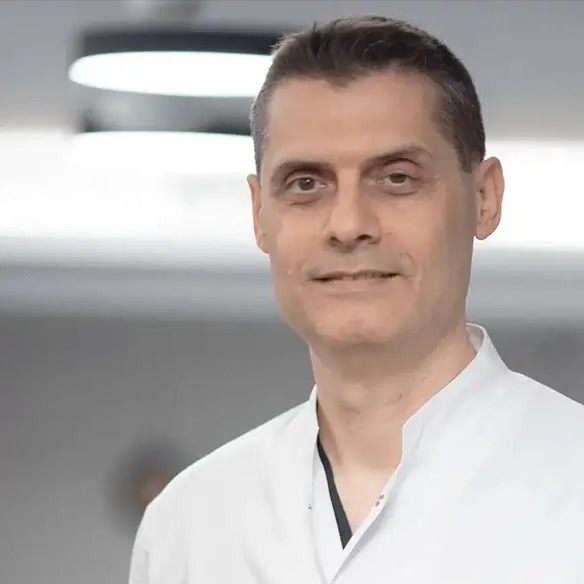
Assoc. Prof. Kemal ÖZAKSAR
Orthopedics, Traumatology and Hand Surgery Specialist
Assoc. Prof. Dr. Kemal ÖZAKSAR was born in Izmir in...
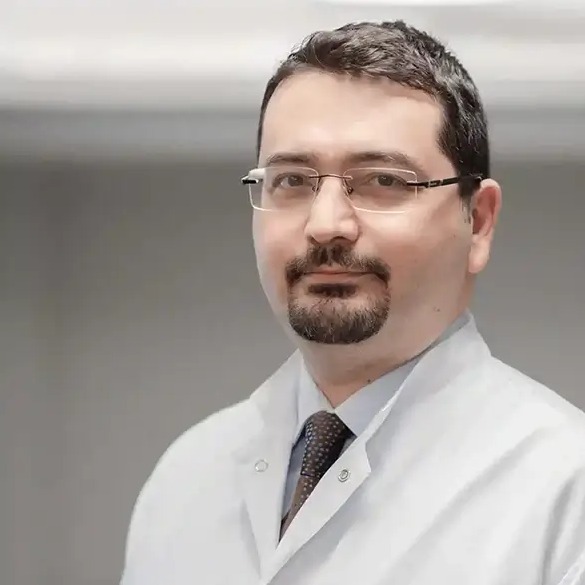
Özgün Barış GÜNTÜRK MD.
Orthopedics, Traumatology and Hand Surgery Specialist
Özgün Barış GÜNTÜRK MD. was born in 1983 in Izmir....