


Spine Health Center
Medical Units


Overview
We strive to help you keep doing the things you love.
Our spine team uses non-surgical treatment and advanced surgical methods to treat all spinal problems and disorders.
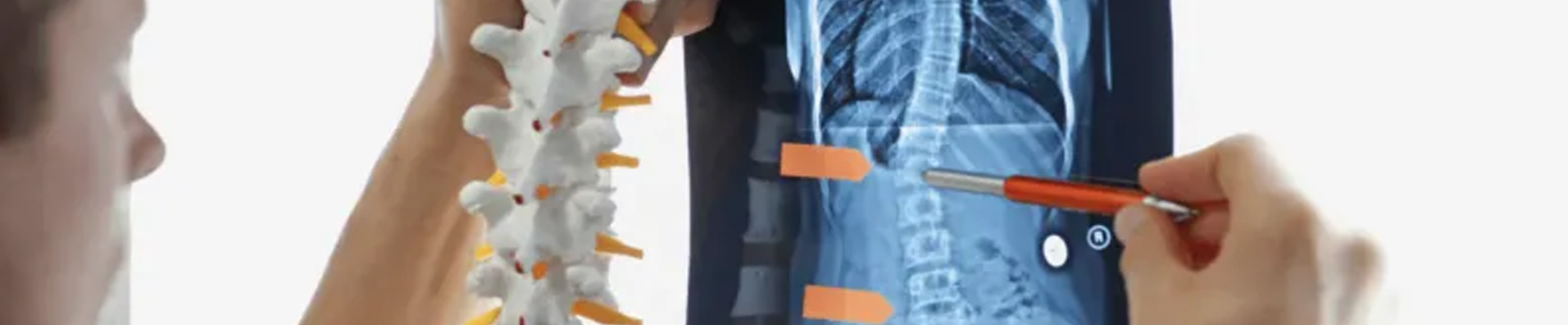
Our Spine Health Center treats curvatures of the spine, deformities such as slipped discs, hunchbacks, osteoporosis, spinal fractures in the neck, back, lower back and coccyx, herniated discs in the lumbar and cervical spine, and spinal diseases caused by infections and tumors.
EMOT Plus Hospital continues its pioneering role in the field of Microsurgery, Orthopedics and Traumatology with the establishment of the Spine Health Center. By bringing our experts and technological equipment together under one roof, we offer you a healing journey that allows you to use your valuable time and budget efficiently.
At our center, we apply evidence-based medicine through scientific and clinical research to determine what is best for our patients. Our spine specialists develop relationships with patients based on trust and care. Individuals work closely with our specialists to learn about their spine condition, discuss diagnosis and treatment options (both non-surgical and surgical), and engage in shared decision-making to create a treatment plan that meets their needs.
Doctors at our Spine Health Center
Blog posts related to Spine Health Center
What does the Spine Health Center look for?
With its most basic function, the spine forms the main axis of the body, creating a balanced posture and providing mobility. However, weaknesses in bones and muscles with the aging process, posture disorders caused by modern life, accidents and negative habits can cause various problems on the spine. Spine Health Centers are medical units that specialize in the diagnosis and treatment of postural disorders, pain and movement limitations caused by the spine.
These centers serve a wide range of patients, from newborn babies to growing children, from desk workers to elderly individuals. It aims to improve the quality of life of individuals by improving spinal health with personalized treatment approaches. With the right diagnosis and effective treatment methods, patients can continue their daily lives in a healthy way and have a more active life.
In Spine Health Centers, non-surgical methods have priority in treatment processes. Manual therapy, posture correction exercises and physical therapy provide effective solutions to spinal problems. In cases requiring surgical intervention, advanced technology and modern surgical methods are used to ensure that patients have a fast and comfortable recovery process. Thus, it is aimed to sustainably improve the quality of life of individuals.
Which diseases does the Spine Health Center deal with?
Specializing in the diagnosis and treatment of spine-related diseases, Spine Health Centers offer comprehensive solutions for congenital or acquired disorders. These centers aim to improve the quality of life of individuals by applying modern medical methods to protect and improve spinal health.
Scoliosis (curvature of the spine), one of the most common spinal disorders, is a skeletal disorder characterized by an abnormal curvature of the spine to the right or left in the thoracic or lumbar regions. At Spine Health Centers, the patient’s complaints are evaluated in detail during the anamnesis stage, followed by diagnosis, diagnosis and personalized treatment processes. In addition, kyphosis (hunchback), neck flattening, herniated discs and posture disorders are among other common spinal problems today.
Desk work, sedentary lifestyles and non-ergonomic posture habits, which are a consequence of modern life, can lead to posture disorders and related ailments. Spine Health Centers aim to improve the quality of life of individuals by approaching such problems with modern and scientific treatment methods. Methods such as manual therapy, physical therapy and exercise programs are prominent applications in this field.
In addition, problems such as sports injuries, spinal trauma, osteoporosis and muscle loss are also successfully treated at these centers. Rehabilitation and preventive health programs that support spinal health and provide long-term protection are also an integral part of the treatment processes. In this way, it is aimed for individuals to lead a more active, pain-free and healthy life by protecting their spinal health.
Treatments at EMOT Spine Health Center
EMOT Hospital, Izmir’s first Spine Health Center, serves as an institution that has achieved international standards by using advanced treatment facilities required by modern medicine and developing technology. The services offered at the Spine Health Center of our hospital are as follows.
- Scoliosis (Spinal Curvature Treatment)
- Spinal Stenosis (Narrow Canal)
- Neck Hernia
- Kyphosis (Humpback)
- Neck Flattening
- Spine Fracture
- Low Back Pain
- Lumbar Hernia
- Posture Disorders
- Slipped Waist
- Spine Infection
- Deformities of the spine
What are the Diagnosis and Diagnostic Methods at the Spine Health Center?
Accurate diagnosis is of great importance for effective treatment of spinal diseases. Diagnostic and diagnostic methods based on physical examination findings and advanced technology imaging techniques, focusing on the patient’s complaints, aim to make a diagnosis with a multidisciplinary approach.
Examination of Patient History, Anamnesis Process
The anamnesis stage is the first step in which the patient is listened to in a broad perspective, which facilitates diagnosis and thus forms the basis of the treatment process. At this stage, the patient’s current complaints are listened to, information about the duration and severity of pain is obtained, past health history is examined, lifestyle is listened to in detail and evaluated.
Physical Examination
The physical examination helps to obtain information about functions such as spinal curvature, muscle strength, reflexes, mobility and nervous system. In spinal diseases, especially disorders such as poor posture, scoliosis or kyphosis can be easily detected by physical examination.
Imaging Methods
Although physical examination facilitates diagnosis and diagnosis, a detailed evaluation of the spine is required to clarify the diagnosis. In the diagnostic phase, the possibilities provided by advanced technology and imaging methods are of great importance in Spine Health Centers. Methods such as X-rays, magnetic resonance imaging (MRI), computed tomography (CT) and bone density measurement are used in the diagnostic process.
Electrophysiological Tests
Spinal disorders may require evaluation of nerve and muscle function. Electrophysiological tests provide detailed information about nerve compression, nerve damage and disc problems.
Treatment Methods in Spine Diseases
Spinal health enables individuals to live a better quality life. For this reason, the aim of the treatment methods applied in spinal diseases is to improve the quality of life by reducing pain and to provide sustainable solutions in the long term by ensuring the protection of spinal health. Depending on the type and severity of the disease, treatment methods vary from non-surgical interventions to surgical solutions.
Non-Surgical Treatment Methods in Spine Diseases
If the patient’s health condition allows and is suitable for the treatment process, non-surgical methods are preferred first. Physical Therapy and Rehabilitation aims to increase mobility by strengthening the muscles that support the spine and corrects posture by supporting it with exercise programs.
Medical treatments, on the other hand, include local methods such as medication and injections, which are offered in accordance with the diagnosis and diagnosis of the patient and in parallel with the treatment method recommended by the doctor. Ergonomic support is another non-surgical treatment method that aims to provide the patient with a healthy spine structure through ergonomic adjustments.
In non-surgical treatment methods, advanced non-surgical techniques can be applied to support the patient to regain spinal health. Examples of advanced non-surgical techniques include Radiofrequency Ablation, which uses radiofrequency waves to reduce pain in the nerve roots; Decompression Therapy, which reduces the pressure between the vertebrae by aiming to relieve nerve compression.
Surgical Treatment Methods in Spine Diseases
Surgical methods are generally preferred for serious and advanced spinal diseases when other treatment methods are inadequate. Thanks to today’s developing and modern technologies, a rapid recovery process can be achieved with minimally invasive (low incision) methods.
Examples of surgical treatment methods include Scoliosis and Kyphosis Treatment to correct spinal curvatures and eliminate the deformation experienced; Vertebroplasty and Kyphoplasty, which strengthen the spine to repair broken bones and eliminate collapse problems; Discectomy and Microdiscectomy, which aim to reduce the pressure of the herniated disc on the nerve; Spinal Fusion, which aims to ensure the stability of the spine by combining two or more vertebrae.
Individualized Treatment of Spine Diseases
Spine Health Centers have a multidisciplinary approach. We listen to each patient individually, assess their medical history and needs and offer individualized treatment methods. This is because each patient has a different spine structure and lifestyle. After diagnosis and diagnosis, individualized treatment methods aim to relieve the patient’s pain and give them freedom of movement. After the treatment process, individuals are guided to maintain their spinal health.
Treatment of Spine Diseases in Children and Adolescents
Children and adolescence is a period of rapid growth and development, and this is a critical period in which the spinal structure is shaped. Treatment methods that are not applied in a timely and correct manner can cause permanent damage in adulthood. Conditions such as scoliosis and kyphosis are very difficult to treat completely after a certain period of time. Early diagnosis and treatment are of great importance to prevent permanent spinal disorders in these age groups.
In the treatment of children and adolescents, Spine Health Centers determine a personalized treatment method according to the age group, physical, psychological and social needs. After the treatment, which is handled with a multidisciplinary approach, it is aimed that children and adolescents with spinal disorders can progress their lives without pain and movement restrictions.
Spine Health Center and Athlete Health
Athlete health is especially important for professional athletes to continue their sports life in a healthy way for many years. Intense training periods, competitions, sudden traumas and incorrect training movements can damage the spine of athletes. The Spine Health Center helps athletes to increase their body resistance by protecting their spine health at the highest level against possible injuries, as well as treating instant spinal injuries.
A personalized assessment is provided for athletes according to their disease history, physical development and the branches they are interested in. Using advanced imaging techniques and biomechanical analyzes, posture disorders and musculoskeletal system problems are identified by specialists, allowing the patient to continue his/her daily life painlessly.
Spine Health Centers, which determine a multidisciplinary approach for professional and amateur athletes and take steps to improve not only treatment methods but also the general health of athletes, offer special solutions for athletes by following scientific approaches. In addition, it provides information about spine protection techniques, movement discipline and correct posture that should be applied during sports, and raises awareness of the athlete in his/her future professional life.
Related Doctors
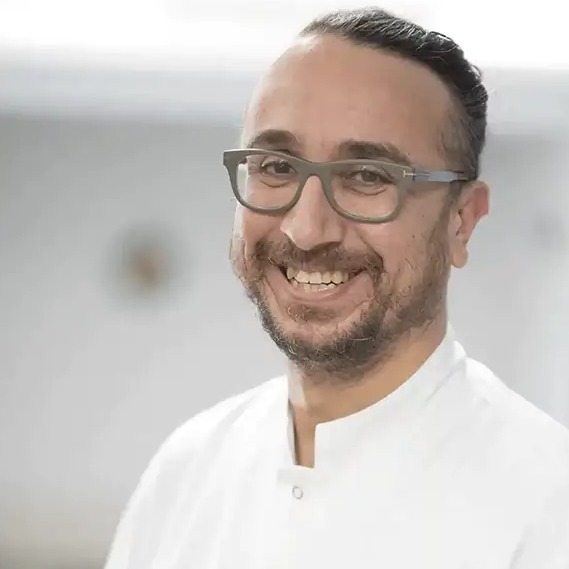
Assoc. Prof. Yusuf GÜRBÜZ
Orthopedics and Traumatology Specialist
Assoc. Prof. Dr. Yusuf GÜRBÜZ was born in 1977 in...
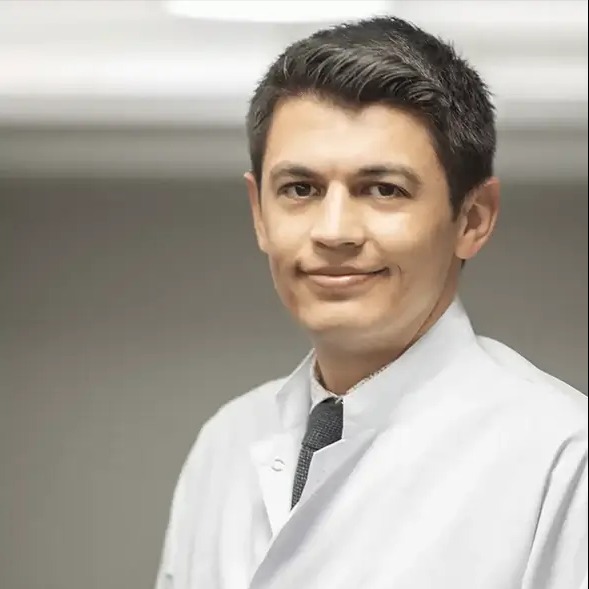
Kubilay EROL MD.
Orthopedics and Traumatology Specialist
Kubilay EROL MD. was born in Izmir in 1989. EROL,...
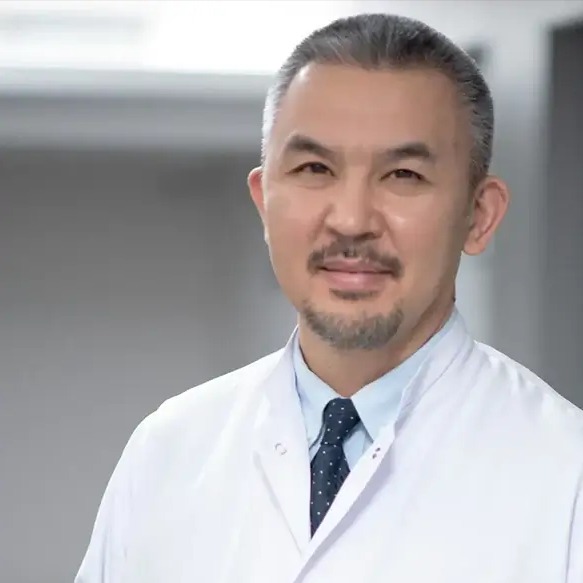
Bakıt KEREKULOV MD.
Orthopedics and Traumatology Specialist
Bakıt KEREKULOV MD. was born in 1976 in Kyrgyzstan. KEREKULOV,...
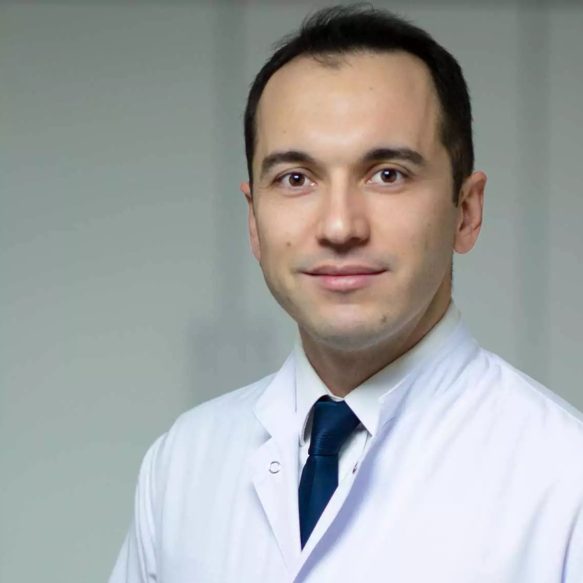
Uzm. Dr. Anıl KOCA
Orthopedics and Traumatology Specialist
Uzm. Dr. Anıl KOCA was born in Fethiye in 1990....
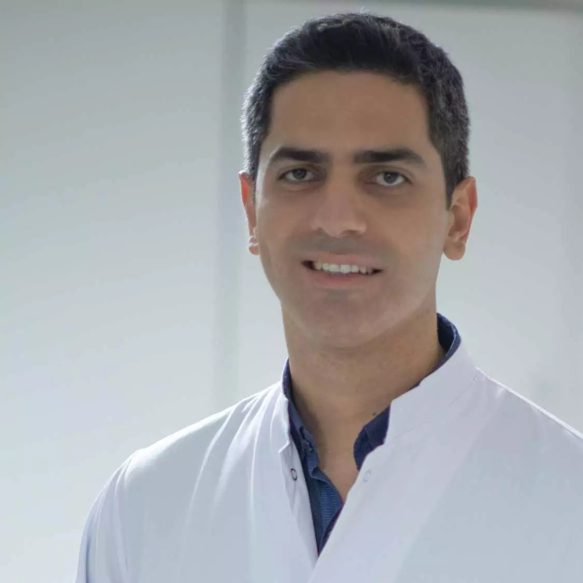
Can YENER MD.
Orthopedics and Traumatology Specialist
Can YENER MD. was born in Adana in 1990. Dr....
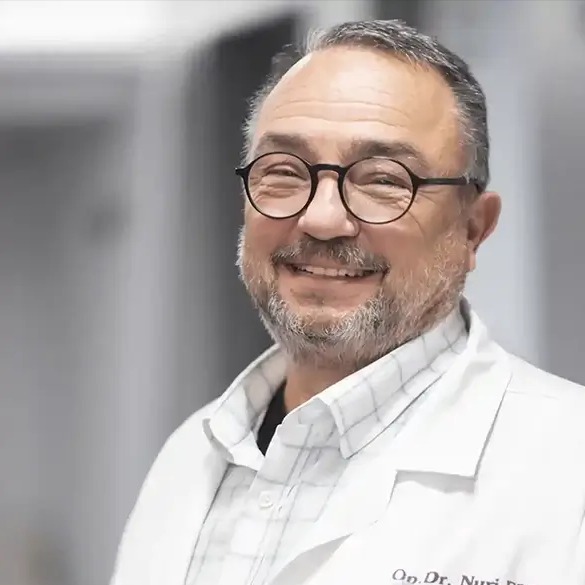
M. Nuri EREL, Surgeon
Orthopedics and Traumatology Specialist
Nuri EREL, Surgeon was born in Izmir in 1959. Dr....