


Burn Reconstruction Surgery
Plastic Reconstructive and Aesthetic Surgery
Overview
You can feel safe at EMOT Plus Hospital, which provides healing spaces with an experienced surgical team and state-of-the-art surgical suites.
The goal of reconstructive burn surgery is to improve both the function and cosmetic appearance of the burned area. This involves replacing scar tissue with both non-operative and operative treatment.
What is burn surgery?
There are two main categories of burn surgery: acute and reconstructive. Acute burn care takes place immediately after the injury. It is delivered by a team of trauma surgeons (General Surgeons) who specialize in acute burn care. Complex burns often require consultation with plastic surgeons who help with inpatient and outpatient management of these cases. Major burns or burns to critical body areas should be treated in a verified burn center, such as a Trauma Burn Center. Many minor burns can be treated with outpatient options. Some patients may need reconstructive burn surgery after the initial burn wounds have healed. This type of care is usually provided by a plastic surgeon.
What is the aim of reconstructive burn surgery?
The aim of reconstructive burn surgery is to improve both the function and cosmetic appearance of burn scars. This involves replacing scar tissue with both non-operative and operative treatment. The relationship between the burn patient and the reconstructive burn surgeon usually lasts for many years. Treatments to the scar tissue often take several months to be effective and new scar contractures may appear long after these injuries, especially in young growing patients.
What are the benefits of reconstructive burn surgery?
The surgery will not be able to completely remove the patient’s burn scars, but it will help to improve basic functions and make the scars less noticeable. The scar may limit normal movement of the neck, shoulders, hands or legs. Surgery, which often helps to release this contracture, can help the patient regain range of motion. Facial scarring that leads to problems with eyelids, lips, nose or hair loss can also help with reconstructive burn surgery. Scars that are abnormally thick, wide or discolored can also be improved with a variety of surgical and non-surgical methods.
What are the reconstructive burn treatment options?
Non-surgical treatments may include wound massage, pressure garments or other topical treatments. The EMOT Plus Team consists of specialized hand therapists who help rehabilitate hand burns and scars. Surgical options mainly consist of scar release procedures. The tight scar tissue is released and the open area is closed by the plastic surgeon. There are various ways to close these scars depending on the patient’s needs. Depending on the location of the scar and the patient’s personal goals, skin grafts, skin realignment (sometimes called Z-plasty) and more complex skin donor flaps can be used. Most minor procedures are performed as outpatient surgery, but larger grafts and flaps are likely to require hospitalization. Tissue expansion can also be used as an alternative to skin grafting. Excellent results are often achieved when tissue expansion is performed on the face, neck, arms, hands and legs.
What to do if you need reconstructive burn treatment?
The first step is to schedule a personal consultation with a plastic surgeon. Communication is very important to achieve your goals. You will have the opportunity to explain the results you want to see in the treatment. Together with your surgeon, you will have talked about the long-term benefits you can expect and will experience from the procedures. Every patient is different and your surgeon will choose the surgical technique and treatment plan that is right for you. Prepare a complete medical history, including information about previous surgical procedures, and inform your surgeon about any medications or herbal supplements you are taking. Your surgeon will perform a complete physical examination. He or she will inform you about the possible risks and complications of the procedure.
What is important to know about preoperative preparation?
Your surgeon will give you specific instructions on how to prepare for surgery, including instructions on pre-operative skin cleansing, nutrition, smoking and taking or avoiding certain vitamins or medications. Whether your surgery is performed on an outpatient or inpatient basis, it is useful to arrange for someone to drive you home after surgery and, if necessary, to help you for a day or two after you leave the hospital.
What should be done after surgery?
Following post-operative instructions is important to recover and achieve the best possible outcome, both in terms of function and physical appearance. You will have follow-up appointments so that your surgeon can evaluate your long-term results and answer any questions or concerns. As various procedures can be performed, your individual postoperative instructions may vary. In general, skin grafts require some type of “supportive” dressing to remain in place for 3-5 days without any movement of the skin graft. The support helps the skin graft to “stick” to the wound and start healing. Smaller operations (scar revisions, Z-plasties) may require only a small, soft dressing afterwards. After scarring on the hand, your surgeon may place you in a larger dressing with a plaster splint for support after surgery. In general, follow-up visits are scheduled within two weeks after surgery and there may be stitches that need to be removed at that time. Additional physical therapy or occupational therapy may be required in the weeks and months after surgery to ensure full recovery of function. This may include splints or casts, as well as exercises you do on your own at your treatment visits and at home. Your surgeon and therapists will work together to develop the best plan for you.
Related Doctors
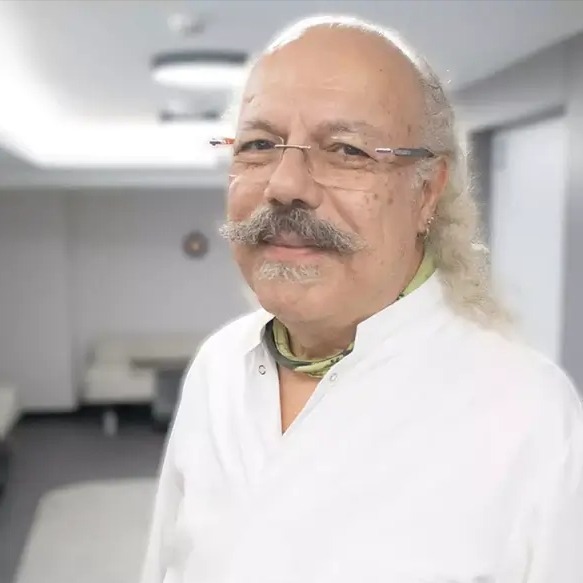
Özcan ÜLGEN, Surgeon
Plastic Reconstructive and Aesthetic Surgery Specialist
Özcan ÜLGEN Surgeon, was born in Izmir in 1959. ÜLGEN,...