


Fat graft (Fat transfer)
Plastic Reconstructive and Aesthetic Surgery
Overview
Fat grafting (fat transfer) is the transfer of the body’s own fat tissue to another area. Since fat grafts are fat cells taken from your own body, they are the most natural filler choice. It is often done in combination with other procedures such as liposuction, facelift, blepharoplasty (eyelid lift) and other facial and body plastic surgery.
Why is fat grafting (fat transfer) performed?
Fat grafting helps restore lost volume in the face. It is useful in smoothing transition zones and refilling areas where fullness has been lost. There are various “fillers” that can be used to replenish lost facial volume: injectable, consisting mainly of hyaluronic acid and fat, your own tissue filler.
Where on the body is fat taken for fat transfer?
The belly, inner thighs and waist, where body fat is predominantly located, are the areas where fat is often removed.
How is fat grafting (fat transfer) performed?
The fat cells are harvested using a very small cannula and then prepared as a fat graft. The fat grafts are then transferred to an area with wrinkles or gaps using a small cannula or needle.
Will the body reject the fat graft?
The fat graft cells will not be rejected because they belong to you. Although there is some absorption of the transferred fat, fat grafts last much longer than most fillers containing hyaluronic acid. In addition, the natural soft tissue structure in the area is preserved.
How long does the fat grafting (fat transfer) procedure take?
Depending on your needs, the type and duration of the procedure varies. The fat grafting procedure takes from 30 minutes for very mild corrections to 3 hours for more significant volume restoration (for the chest or buttocks). When performed as an isolated procedure, fat grafting can be performed under local anesthesia. Fat transfer or autologous fat grafting is performed under general anesthesia when combined with another cosmetic surgical procedure and when indicated.
What is the healing process after the fat grafting (fat transfer) procedure?
It is possible to go home with a friend or family member the same day following fat grafting procedures. If fat grafting is performed as an isolated procedure, EMOT Plus Hospital recommends taking two or three days before returning to work. When the fat grafting procedure is used in conjunction with other facial or body contouring procedures, return to work can range from seven to fourteen days. Swelling is very common after fat transfer or autologous fat grafts and usually takes two weeks to resolve. Sometimes it can take up to 12 weeks for the final results of the fat grafting procedure to appear. Light aerobic activity can be resumed as early as four to five days following fat grafts, with more strenuous activity beginning two to three weeks later.
Related Doctors
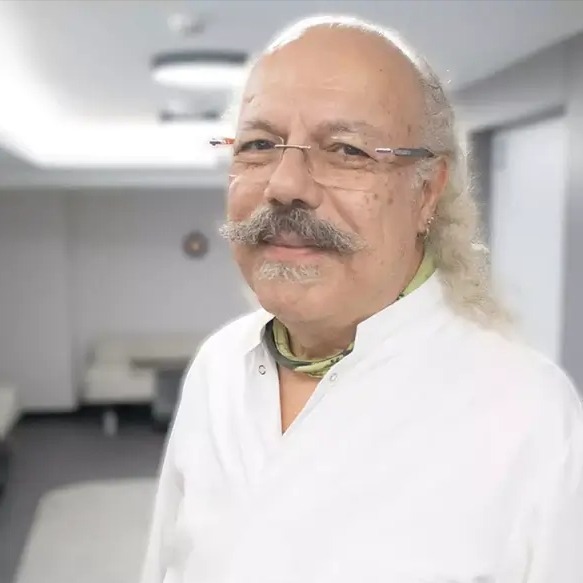
Özcan ÜLGEN, Surgeon
Plastic Reconstructive and Aesthetic Surgery Specialist
Özcan ÜLGEN Surgeon, was born in Izmir in 1959. ÜLGEN,...