

Kienböck’s Disease
Hand and Microsurgery
Overview
Kienböck’s disease is a condition that causes pain, stiffness and weakness in the wrist. It can make daily activities difficult and can worsen over time. Surgical and non-surgical treatments can reduce pain and improve the movement of the wrist.
What is Kienböck’s disease?
It is a disease that develops due to reduced blood circulation to the “lunate” bone, one of the small bones in the wrist. Bone tissue needs proper blood circulation to maintain its vitality. Without adequate nutrition, tissues lose their vitality. This tissue death is medically called necrosis and bone tissue death is called osteonecrosis. It is also commonly known as bone decay. Kienböck’s disease is osteonecrosis of the lunate.
Kienböck Neden olur?
The exact cause of Kienböck’s disease is unknown, but medical conditions that increase the risk have been identified. For example, there is a structural deficiency of blood vessels or circulation is impaired due to an old trauma. In addition, if there is a difference in the length of the bones in the forearm, it is possible to experience circulatory disturbance as a result of compression of this bone.
What are the Symptoms of Kienböck?
At the onset of Kienböck’s disease, pain, sometimes swelling or weakness in the wrist are the most common symptoms. Limitation of movement begins later in the course of the disease.
How does the diagnosis and treatment of Kienböck’s progress?
Your doctor will perform a detailed examination to determine the type and location of the pain. He/she then confirms the diagnosis with X-rays and MRI. Then he/she determines the staging of the disease and plans the treatment according to the stage. Stage 1 is the least severe and stage 4 is the most severe. There may be several months or years between these stages. It is important to proceed with a team consisting of a hand surgeon and a physical therapist in the diagnosis and treatment process of the disease.
How is Kienböck’s disease treated?
There is no 100% cure for Kienböck’s disease. Especially in the early stages, treatments are used to restore blood supply to the bone, but in advanced stages it is not possible to save the lunate. Since the loss of this bone will also damage the surrounding bones and joints, treatments in advanced stages are more aimed at protecting them and reducing pain. Although it is not possible to return to normal wrist function in this disease, the available treatment methods are used to provide the best possible function and pain relief.
Related Doctors
Prof. Sait ADA
Orthopedics, Traumatology and Hand Surgery Specialist
Prof. Sait ADA, one of the founders of EMOT Hospital,...
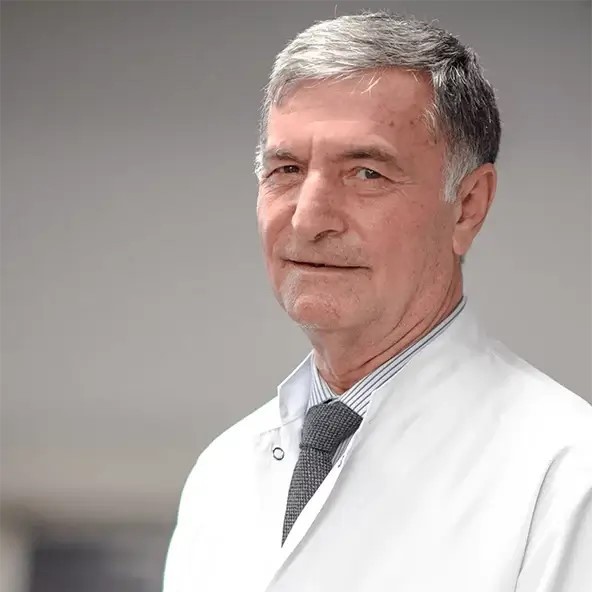
Assoc. Prof. İbrahim KAPLAN
Orthopedics, Traumatology and Hand Surgery Specialist
Assoc. Prof. Dr. İbrahim KAPLAN was born in Denizli in...

Assoc. Prof. Yalçın ADEMOĞLU
Orthopedics, Traumatology and Hand Surgery Specialist
Assoc. Prof. Dr. Yalçın ADEMOĞLU was born in Manisa in...

Fuat ÖZERKAN MD.
Orthopedics, Traumatology and Hand Surgery Specialist
Fuat ÖZERKAN MD. was born in Izmir in 1956. ÖZERKAN,...
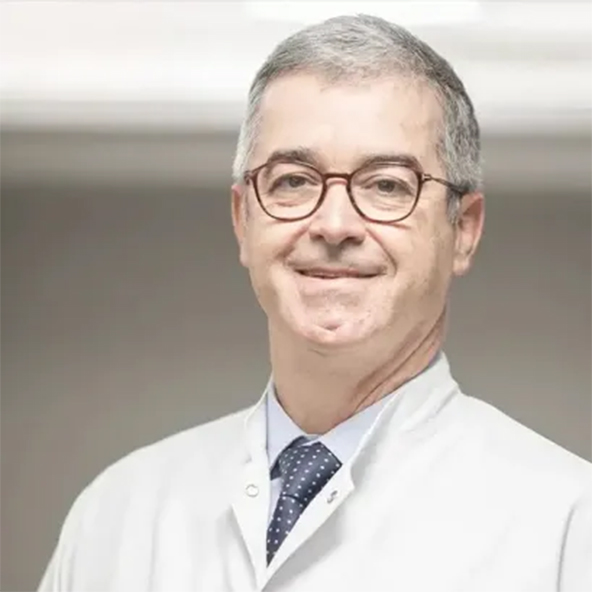
Prof. Murat KAYALAR
Orthopedics, Traumatology and Hand Surgery Specialist
Prof. Murat KAYALAR was born in Amasya in 1968. Prof....

Prof. Tulgar TOROS
Orthopedics, Traumatology and Hand Surgery Specialist
Prof. Tulgar TOROS was born in 1969 in Izmir. TOROS...
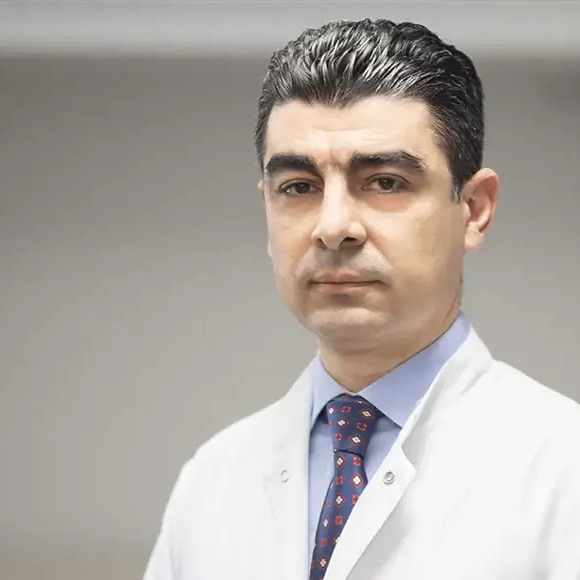
Assoc. Prof. Tahir Sadık SÜGÜN
Orthopedics, Traumatology and Hand Surgery Specialist
Assoc. Prof. Dr. Tahir Sadık SÜGÜN was born in 1974...
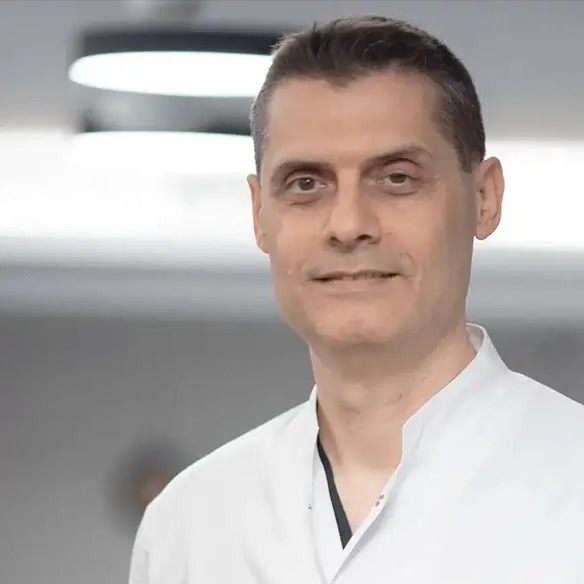
Assoc. Prof. Kemal ÖZAKSAR
Orthopedics, Traumatology and Hand Surgery Specialist
Assoc. Prof. Dr. Kemal ÖZAKSAR was born in Izmir in...
Özgün Barış GÜNTÜRK MD.
Orthopedics, Traumatology and Hand Surgery Specialist
Özgün Barış GÜNTÜRK MD. was born in 1983 in Izmir....